Siberian Husky Puppy Food: A Simple Guide to Healthy Growth
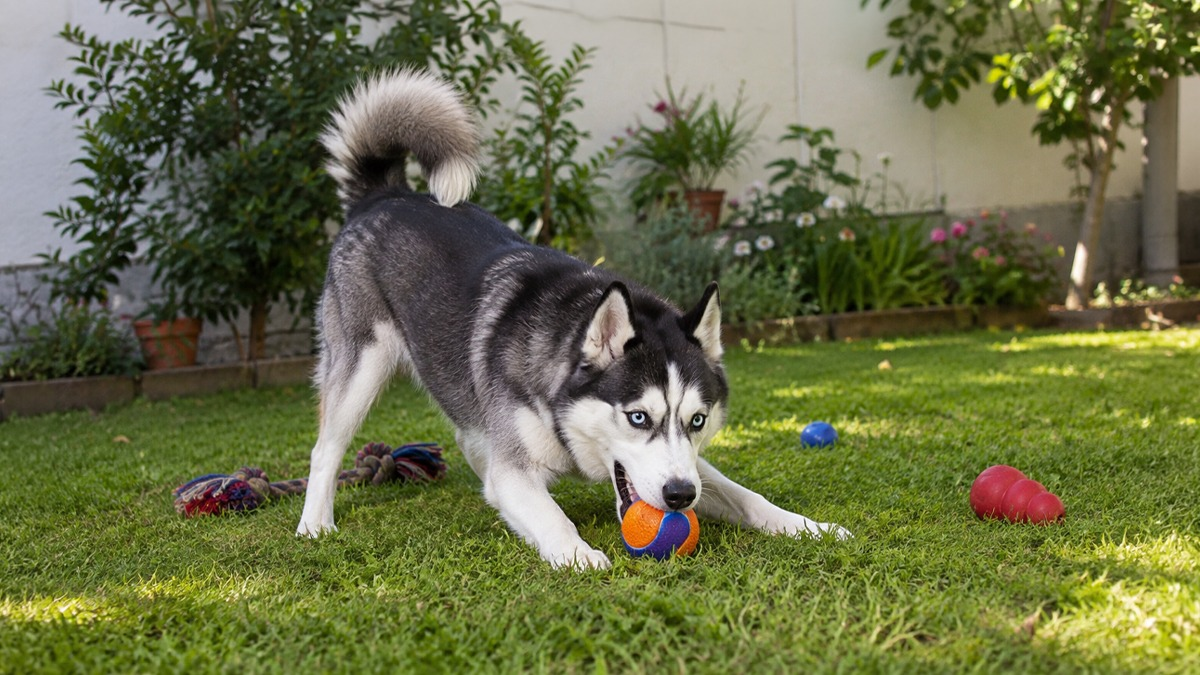
Siberian Husky puppies are playful, curious, and full of energy. They grow quickly during their early months, so proper nutrition is an important part of their development. Choosing the right Siberian Husky puppy food can help provide the nutrients your puppy needs for healthy growth, strong muscles, and everyday activity.
However, feeding a Husky puppy is not just about giving more food. The quality of the diet, portion size, feeding routine, and your puppy's age all matter. A good feeding plan can also help your puppy maintain a healthy body condition as they grow.
Why Is the Right Food Important for a Husky Puppy?
Puppies need more nutrients than adult dogs because their bodies are developing rapidly. Their muscles, bones, teeth, immune system, and other body functions are still maturing.
Siberian Huskies are active dogs, so their puppy food should provide suitable energy without encouraging excessive weight gain. Feeding too much can cause a puppy to grow too quickly, while feeding too little may leave them without enough energy and nutrients.
This is why it is important to choose a food specifically designed for puppies and follow appropriate feeding guidelines.
What Should Siberian Husky Puppy Food Contain?
A good puppy diet should provide a balanced combination of essential nutrients. When choosing food for your Husky puppy, pay attention to the overall nutritional profile rather than focusing on just one ingredient.
Protein for Growing Muscles
Protein plays an important role in a growing puppy's diet. It provides amino acids that help support muscle development and normal body functions.
Look for a puppy food that contains a good-quality protein source as part of a complete and balanced formula. Your puppy needs adequate protein, but adding extra meat or protein supplements is not usually necessary when the main food already provides balanced nutrition.
Healthy Fats for Energy
Puppies are naturally active and need energy for playing, exploring, and growing. Dietary fat is an important source of energy and also provides essential fatty acids.
Healthy sources of fat can support normal skin and coat health. This can be especially useful for Siberian Huskies because they have a thick double coat.
Vitamins and Minerals
Growing puppies need appropriate vitamins and minerals as part of a balanced diet. These nutrients support normal development and many important body functions.
Instead of adding vitamin or mineral supplements on your own, choose a complete puppy food that is already formulated to provide the nutrients your puppy needs.
Choose Food According to Your Puppy's Age
A Husky puppy's nutritional needs change as they grow. A very young puppy may need smaller and more frequent meals, while an older puppy can gradually move toward a different feeding schedule.
Always check the feeding instructions on the food package and adjust portions according to your puppy's growth and body condition.
If you are unsure about your puppy's nutritional needs, your veterinarian can help you choose an appropriate diet.
How Much Siberian Husky Puppy Food Should You Give?
There is no single feeding amount that works for every Husky puppy.
The right amount depends on factors such as:
- Your puppy's age
- Current body weight
- Growth rate
- Activity level
- Type of food
- Body condition
- Overall health
Start with the feeding guide provided by the food manufacturer. Then monitor your puppy regularly. If your puppy is gaining excessive weight or appears too thin, the feeding amount may need to be adjusted.
It is better to focus on healthy growth rather than trying to make your puppy grow as quickly as possible.
How Many Times Should a Husky Puppy Eat?
Young puppies generally do better with several smaller meals during the day rather than one or two large meals.
As the puppy gets older, the number of daily meals can gradually be reduced.
A simple routine may look like:
Young puppy: several small meals throughout the day
Growing puppy: fewer meals with suitable portions
Older puppy: gradually moving toward an adult feeding routine
The exact schedule can vary depending on your puppy's age and individual needs.
Don't Overfeed Your Husky Puppy
Husky puppies can be very enthusiastic about food, but that does not mean they should receive unlimited portions.
Overfeeding can lead to unnecessary weight gain and may make it harder to maintain a healthy body condition. Extra treats, table scraps, and large meal portions can quickly add more calories than your puppy needs.
Measure your puppy's food instead of simply filling the bowl whenever it looks empty.
Treats Should Be Limited
Treats can be useful when training a Siberian Husky puppy. Huskies are intelligent dogs, and positive rewards can make training sessions more enjoyable.
However, treats should remain a small part of the daily diet.
Choose small, appropriate treats and avoid giving your puppy large amounts of human food. If you use treats regularly during training, remember that they also contribute to your puppy's daily calorie intake.
Fresh Water Is Essential
Your Husky puppy should always have access to clean, fresh drinking water.
Puppies can become thirsty after playing, exercising, or eating dry food. Keep a clean water bowl available and check it regularly.
Good hydration is an important part of a healthy feeding routine.
How to Change Your Puppy's Food
Sometimes you may need to change your puppy's food because of availability, age, preference, or a recommendation from your veterinarian.
Try not to make the change suddenly. Introduce the new food gradually by mixing a small amount of it with the current food. Slowly increase the new food while reducing the old food over several days.
A gradual change can make the transition easier on your puppy's digestive system.
Can You Give Homemade Food to a Husky Puppy?
Many owners like to give puppies homemade foods such as cooked chicken, rice, vegetables, or eggs. Some plain foods can be suitable as occasional additions, but they should not replace a complete puppy diet unless the homemade diet has been properly formulated.
Growing puppies have specific nutritional requirements. A meal that looks healthy to us may not contain the right balance of nutrients for a developing dog.
If you want to feed a homemade diet regularly, speak with a veterinarian or veterinary nutrition professional first.
What Foods Should You Avoid?
Not every food that humans eat is safe for puppies. Avoid giving your Husky puppy foods containing ingredients that can be harmful to dogs.
Common foods to keep away from your puppy include:
- Chocolate
- Onions and garlic
- Grapes and raisins
- Alcohol
- Foods containing xylitol
- Very salty foods
- Spicy or heavily seasoned foods
- Cooked bones
It is also better to avoid fatty leftovers and heavily processed snacks.
Signs Your Puppy May Need a Diet Review
Every puppy develops differently, but changes in eating habits, digestion, or body condition should not be ignored.
Talk to your veterinarian if your puppy has ongoing:
- Diarrhea or vomiting
- Poor appetite
- Unusual tiredness
- Poor weight gain
- Sudden weight gain
- Persistent itching or skin problems
- Changes in normal eating or drinking habits
A veterinarian can check your puppy and help determine whether the diet or feeding routine needs to be changed.
Choosing the right Siberian Husky puppy food is an important part of responsible pet care. Your puppy needs a balanced diet that provides suitable protein, fats, vitamins, minerals, and energy for growth.
Choose food made for puppies, follow the feeding instructions, provide fresh water, keep treats limited, and monitor your puppy's body condition as they grow.
Most importantly, remember that every Husky puppy is different. The ideal amount of food depends on your puppy's age, size, activity level, and individual needs. With a balanced diet and good daily care, you can give your Siberian Husky puppy a healthy start in life.